Designing a Top Roping Outing
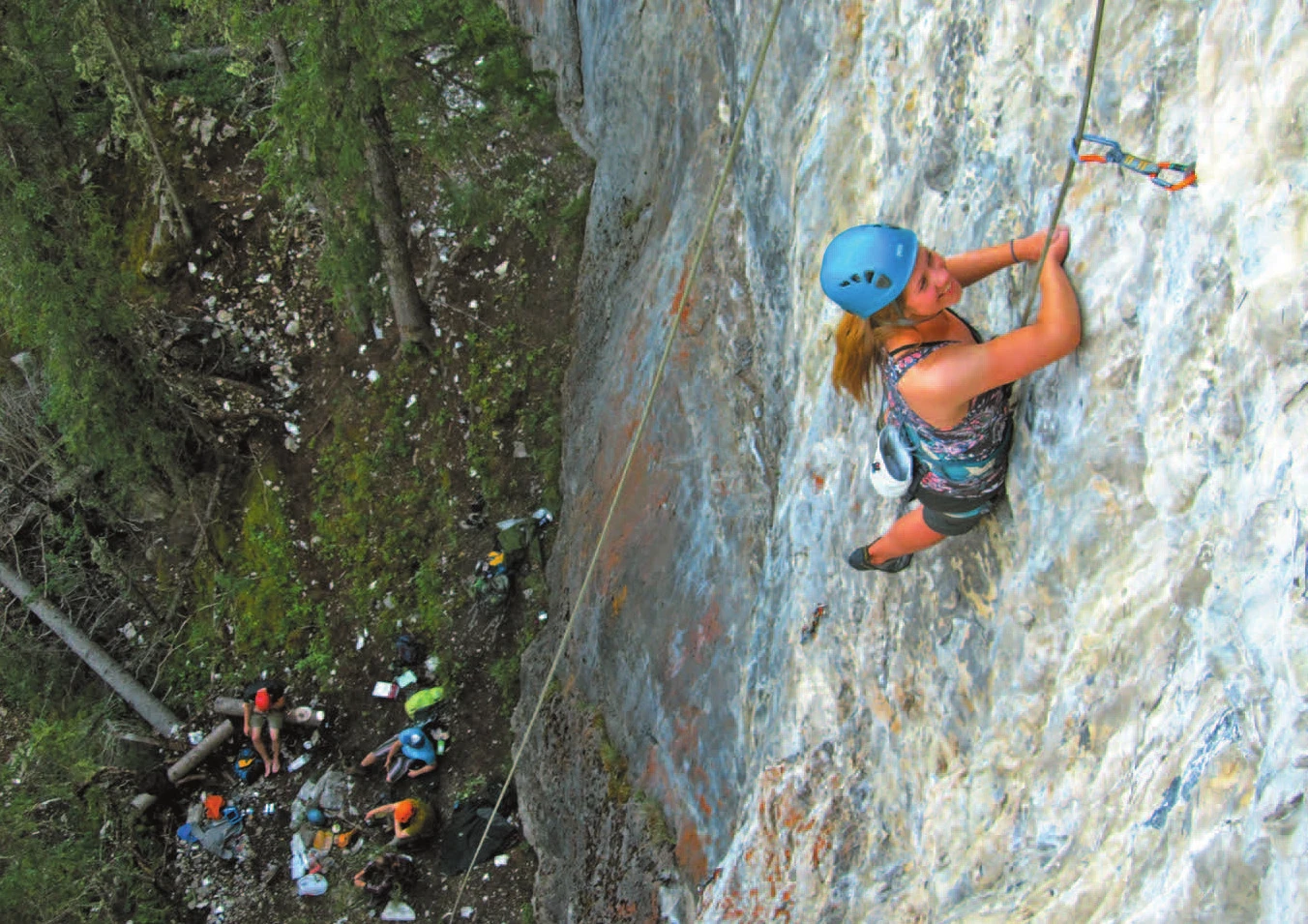
A successful top roping outing starts well before the actual top roping day begins. Careful planning and diligent preparation significantly increase the probability that the top roping outing will be a success. In this chapter we will explore key aspects specific to the planning and design of a top roping day.
The Trip Planning Overview covers the ACC-wide trip lifecycle, leader terminology, and general group size guidance. This chapter adds what is specific to top roping.
Pre-Trip Planning
The first step in organizing a top roping outing involves basic pre trip planning. This planning will enable the leader to determine the suitability of the trip for varying participant abilities, and ensure that the venue and objectives are appropriate.
Establishing Trip Objectives
Establishing clear trip objectives early in the planning process will enable the top rope leader to choose the most suitable venue for the outing. It will determine necessary participant prerequisites, equipment requirements, participant to top rope leader ratios, and overall feasibility. Common top roping outing objectives may include:
- Introducing first time climbers to the sport;
- Teaching basic movement skills;
- Teaching rope handling and equipment proficiency skills;
- Continued development for intermediate climbers; and
- Team work and trust building.
Selecting a Climbing Venue
Based on the established objectives for the top roping outing, the leader can then select the most ideal venue for the trip. The ideal venue should possess the following characteristics:
- Easily accessible and front-country;
- Offer a variety of routes at grades appropriate to the objectives;
- Facilitate the set-up and take down of top rope anchors;
- Minimal, or easily managed natural hazards;
- Have well defined areas to belay from; and
- Be of an adequate size to accommodate both the top roping group as well as other recreational users.
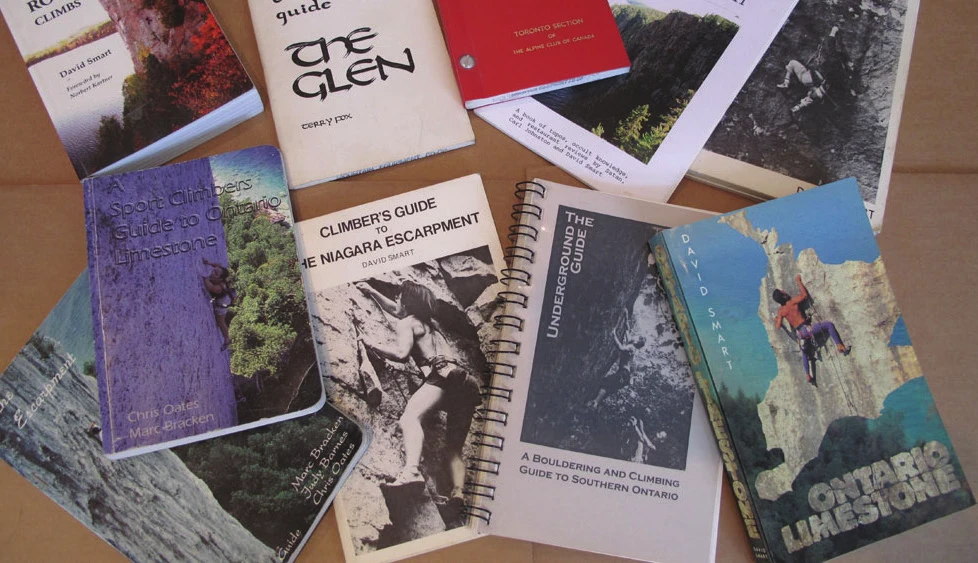
Climbing Grades
Prior to selecting specific routes for the outing, the leader must first determine the level of difficulty appropriate for the objectives. If the objective is directed towards first time climbers, the level of difficulty of the routes should be kept relatively low to ensure participant success and a positive introduction to the sport. Routes 5.6 and below, are typically achievable objectives for active and physically fit individuals new to the sport. If the objective is to challenge experienced climbers, the level of difficulty may be increased to include climbs 5.7 and harder.
| Grade | Comments |
|---|---|
| 5.3 | Big holds, low-angle routes |
| 5.4 | |
| 5.5 | |
| 5.6 | |
| 5.7 | Angle is steep or steepening, holds are shrinking. |
| 5.8 | |
| 5.9 | |
| 5.10a / 5.10b | Requires training. |
| 5.10c / 5.10d | Missing holds, sections appear blank. |
| 5.11b / 5.11c | Tiny holds; requires advanced technique. |
| 5.11d / 5.12a | Complex sequencing. |
| 5.12b / 5.12c | Really difficult. |
| 5.12d / 5.13a | |
| 5.13b / 5.13c | Specific training. |
| 5.13d / 5.14a | |
| 5.14b / 5.14c | Very overhung, few holds widely spaced. |
| 5.14d | Near the limit of what can be climbed. |
Selecting Routes
Once the desired level of difficulty has been determined, the top rope leader can then familiarize themselves with routes at the desired grade, and confirm that the venue is still suitable for the outing. When selecting routes for a top roping outing the following characteristics are desirable:
- Routes in close proximity to one another to allow for easy participant supervision;
- Routes that require or reinforce specific climbing movement, if the objective is movement specific;
- Routes devoid of loose rock and other hazards;
- Routes without excessive rock-polishing;
- Routes that offer shade in the heat of the summer, routes that offer sun during colder shoulder seasons;
- Routes that facilitate emergency response in the event it is required; and
- Routes that are not common lead-climbing objectives for recreational climbers.
It is important that the top rope leader understand the impact a group of top roping climbers may present to recreational users sharing the venue. Large groups using the same routes throughout an entire day may prohibit recreational users from accessing their desired routes. The leader should be cognisant of other users.
Permit Requirements
Many Provincial and National parks require user permits, and in some instances activity or front-country use permits may also be required. Prior to offering a top roping outing a top rope leader must determine if any, and what, permits are required. They must also determine what, if any, stipulations the permit presents, and who will be responsible for obtaining the permit or permits prior to the outing.
Seasonal or Unusual Closures, and Access Issues
Many popular top roping climbing venues are subject to seasonal or periodic closures for a variety of reasons. Often the closures may be related to ecological sensitivities. In other instances, the closures may be a result of industry operating in the same area or vicinity as the climbing venue. It is important that the top rope leader research the venue and ensure that no closures are in place.
Occasionally the top roping venue itself may not be closed, but the roads, trails, or lands used to access the venue may be under a closure. In these instances, it is imperative that the top rope leader research alternative access points to the venue. If no alternate access to the venue exists, the leader must select a different location.
Emergency Response and Evacuation Planning
Once a venue has been selected it is imperative that the top rope leader research and develop emergency response and evacuation plans for the site. These plans should contain the information that would be required to either self rescue or contact organized rescue support in the event of an accident. Important information to be included in the emergency response and evacuation plan would be:
- Accessibility to reliable communication (cell phone coverage, nearby land lines or pay phones, satellite phone, personal locator beacon [PLB], radio);
- Emergency contact phone numbers or radio frequencies (EMS, Parks, etc.)
- Options for self rescue;
- Access and egress points based on incident location;
- Access to organized rescue, fire, ambulance, public safety, and volunteer rescue services; and
- Location details (location description, coordinates, terrain details).
Determining Participant Prerequisite Requirements
Once the objectives have been determined and the venue selected, the top rope leader should then determine what type of participants the trip is suitable for. Criteria such as age, experience, and ability should be considered when determining participant requisite requirements.
Some venues may not be suitable for specific participant demographics. Access to a venue that involves moving through exposed terrain, or a venue where the top or base area is significantly exposed, would not be advised for participants who are inexperienced.
Depending on the objectives of the outing and the layout of the venue, prerequisite experience may be required. Climbing that is intermediate in nature, requires belaying from above, requires the participant to recognize and mitigate minor objective hazards (such as loose rock), or that involves access through challenging terrain, should stipulate previous experience requirements.
Where participants are minors, the Minors on ACC Trips policy sets additional requirements on supervision, consent, and screening that apply on top of the prerequisites you set here.
Defining Top Rope Leader to Participant Ratios
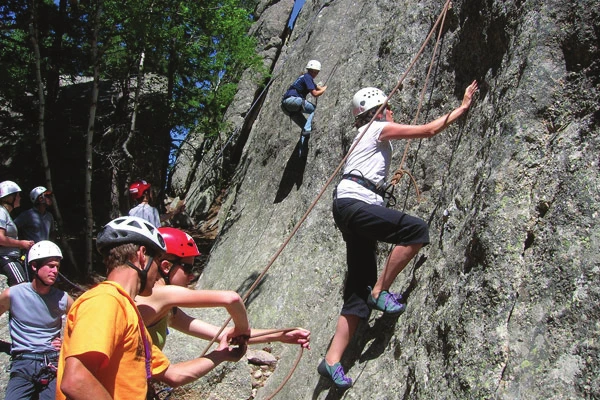
The appropriate ratio between top rope leaders and participants will vary depending on the objectives of the outing, the proximity of the intended climbs to one another, the experience level of the group, the age of the group, the experience level of the leader, the leader's familiarity with the area, and the terrain where belaying activities will be completed from.
Leader Familiarity with the Area
Whenever possible, top rope leaders should avoid taking participants to a venue they are not personally familiar with. In situations where no other options exist and the leader must deliver a top roping outing at a venue that is unfamiliar, they should decrease the participant ratio to accommodate for their lack of knowledge and experience in the area.
Recommended Ratios
An ideal setting is one where the participants are experienced, the climbs are in close proximity to one another allowing for easy supervision by the leader, the leader is experienced, the base area is flat with no objective hazards, and the participants are focused. In situations where the participants or leader lack experience, the venue presents significant objective hazards, or the participants are minors, the ratio of participants to leader(s) should be decreased accordingly.
In situations where the climbs are spread out limiting the leader's ability to supervise more than one climb at a time, ratios may need to be further decreased to ensure adequate supervision of the group.
Developing Pre-Trip Communication with Participants
Initial communication between the trip leader and participants will begin to build rapport with participants and set the tone for the top roping outing. Participants need to be acutely aware of the trip objectives, the venue, the access, driving directions, what is expected of them, and what the leader will be responsible for. Early communication with participants also allows the top rope leader to gain information specific to the participants, and modify the objectives slightly to best meet the participants' needs.
Equipment and Clothing List
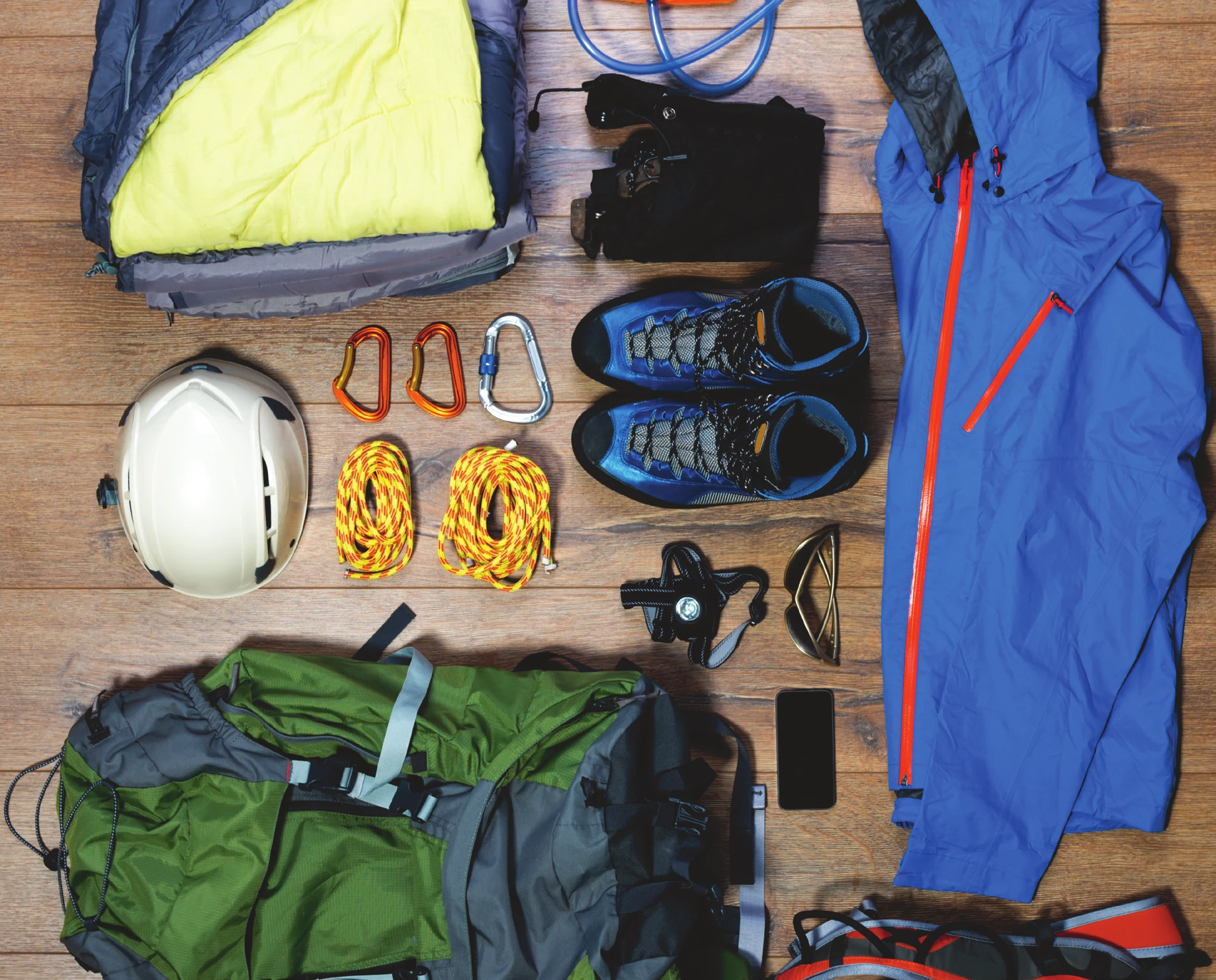
Top rope leaders are often responsible for ensuring that technical equipment specific to the activity such as ropes and anchor materials are available for the outing. Participants may be responsible for ensuring that personal gear such as clothing, harness, helmet, climbing shoes, day pack, food and water, etc., are brought. A sample list that could be provided to participants prior to their participation in a top roping outing is:
Personal Equipment
- Climbing helmet;
- Sunglasses;
- Sunscreen;
- Lip balm;
- Harness;
- Belay device;
- Locking carabiner;
- Climbing shoes;
- Light weight hiking boots or approach shoes;
- Back pack, minimum 40 litres;
- Water bottle, minimum 2 litres;
- Personal first aid kit;
- Personal medications.
Clothing
- Sun hat;
- Toque;
- Short sleeved top;
- Long sleeved top;
- Insulating layer;
- Light-weight insulating bottoms;
- Waterproof shell jacket;
- Climbing pants;
- Waterproof shell pants;
- Warm socks;
- Gloves with leather palms (optional for cool days).
Group Equipment
- Dynamic climbing ropes;
- Anchor materials;
- Group first aid kit;
- Tarp or emergency shelter;
- Emergency communication device;
- Adjustable wrench;
- Hangers and nuts (optional);
- Improvised rescue equipment.
Layering
Appropriate layering ensures the comfort of the leader, and of the participants throughout the day in a multitude of conditions. Appropriate layering will enable participants to stay warm when it is cool, and avoid overheating when it is warm. Layers are commonly separated into three categories; a base layer that sits next to the skin, a mid layer that traps in heat, and an outer layer that protects from the elements such as wind, rain, and snow.
Characteristics of Base Layers
- Should wick moisture away from the skin;
- Should be lightweight;
- Should be close fitting;
- Should have flat seams to avoid chaffing;
- Should be constructed of a material that dries quickly and is breathable;
- Common base layer fabrics include: synthetics such as polyester or natural materials such as wool.
Cotton articles should be avoided in climates that are cool and/or damp. This includes cotton base, mid, and outer layers. That said, on a warm and dry summer day a cotton t-shirt or pants, may be desirable climbing clothing.
Characteristics of Mid Layers
- Should be light-weight;
- Should be air permeable;
- Should be compressible and packable;
- Should provide insulation and warmth;
- Should fit comfortably over a base layer, but still fit close to the body;
- Common mid layer materials include: synthetics like fleece and lofts, and down.
Characteristics of Outer Layers
- Should block the wind;
- Should block precipitation;
- Should be breathable;
- Should fit comfortably over base and insulating layers;
- Should allow freedom of movement;
- Common outer layer materials include: breathable hard shell nylon materials, and softshell nylon materials.
Waiver Documents
Waivers are commonly used to transfer responsibility and highlight risks associated with top rope climbing activities. It is recommended best practice to provide participants with waivers in advance of the top roping outing so they can familiarize themselves with the risks specific to their participation, and ensure they are comfortable and accepting of them.

Participant waivers should be signed in blue or black ink, in person, at the commencement of the top roping outing. Providing the waivers as part of the participant pre-trip communication allows participants to review the waiver, and choose not to participate in the activities without any element of duress.
The form pictured is the version printed in the 2017 handbook and is shown for reference only. Always use the current ACC waiver and follow the current process — see Waivers and Hazards.
Medical Forms
Medical forms enable the top rope leader to familiarize themselves with pre-existing injuries, medical conditions, allergies, and any medications participants may have or require. It is recommended that this information be collected from the participants prior to the outing and reviewed by the leader to ensure the outing is suitable for all members of the group. If medications are required by participants for allergies or pre-existing medical conditions, this provides the top rope leader with the opportunity to remind participants to bring their medications on the trip.

Participant medical information should be sourced prior to the trip, however the forms should be accessible throughout the outing for reference by the leader should a medical incident occur. Personal medical information is subject to Freedom of Information and Privacy laws and must be kept strictly confidential and destroyed following an outing.
Contingency Plans
Participants should also be informed of any potential contingency plans. The trip leader should ensure they have contact information for all participants, in the event last minute communication with participants is needed the morning of the trip. Participants should also be provided with a phone number, or other means of contacting the trip leader on the day of the outing.