Wilderness Ethics and Ecology
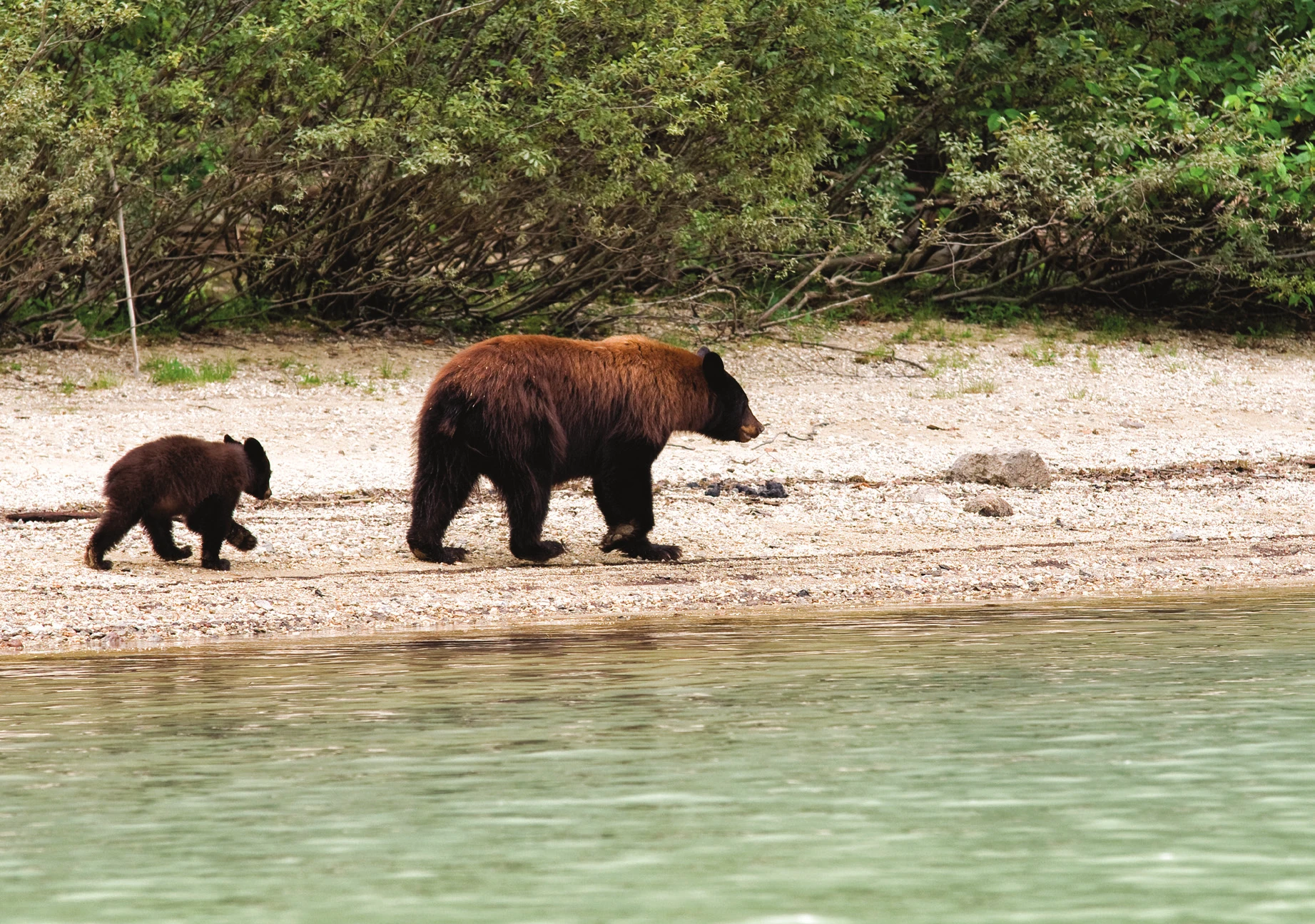
A top rope leader has a responsibility to encourage the participants to be good environmental stewards, and provide them with basic interpretive education specific to the area where the top roping outing will take place. Practicing good environmental stewardship helps ensure top roping venues are available for future generations to enjoy, and helps ensure the natural state of the area is not negatively impacted by human use. In this chapter we will explore several basic principles of low impact travel, as well as basic wildlife precautions, and natural environment interpretive skills.
Principles of Low Impact Travel
It is important for top rope leaders to recognize the impacts their group and outing will have on the natural environment, and minimize those impacts accordingly. The most notable impacts a top rope outing will have, come in the form of group degradation of the ecology, proliferation of waste, and disturbance of wildlife and other visitors. In order to minimize these impacts, the trip leader must educate participants throughout the outing, to act ethically, and in a manner that will preserve the natural environment.
Foot Travel
The impacts of foot travel on the natural environment can be greatly minimized by ensuring the group travels on durable surfaces that are less prone to disturbance. Durable surfaces include:
- Rock;
- Gravel;
- Existing trails; and
- Dry grasses;
Further minimization of the impact of foot travel can be achieved by ensuring participants walk single file on existing trails, even when wet or muddy, to prevent trail widening or trail braiding. Care should be taken on durable surfaces to ensure impacts are minimal and evidence of human traffic is kept nominal. Moving any durable objects, such as rocks and logs, should not be done unless absolutely necessary.
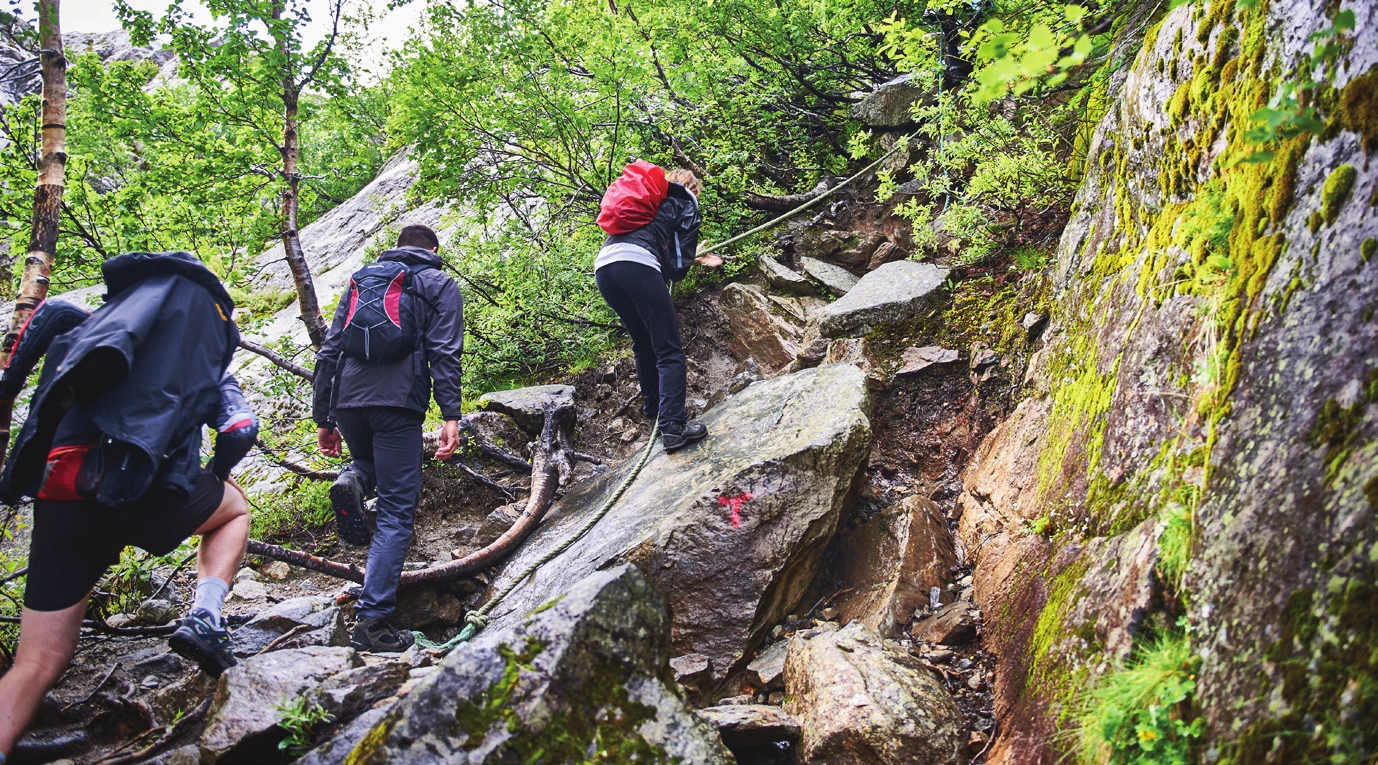
Commonly used top roping climbing venues see thousands of users each year. It is imperative that top rope leaders instil a 'leave no trace' ethic and minimize their impact with their participants to ensure the area remains usable in its natural state for future users.
Human Waste
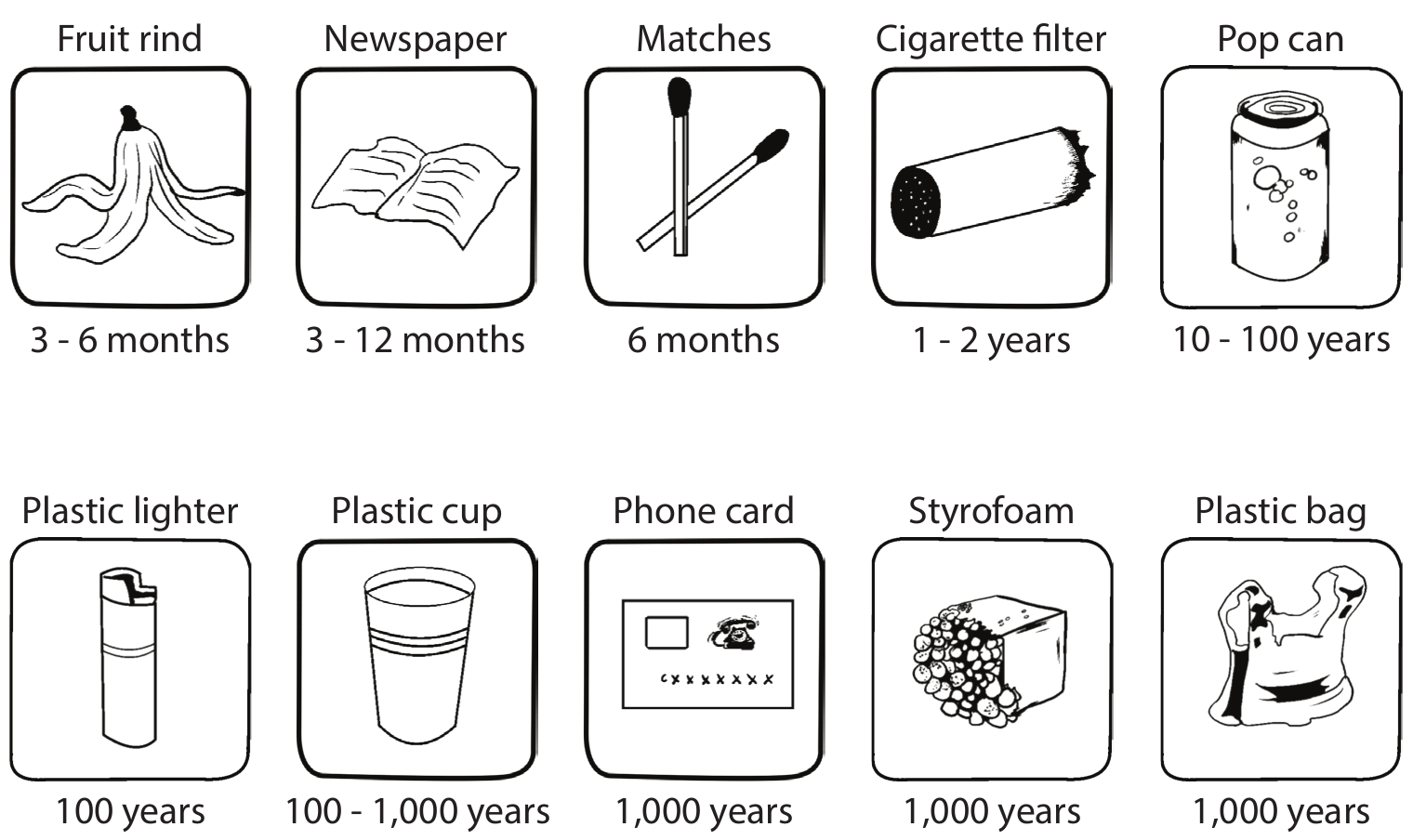
Human waste can have a profound and lasting impact on the natural environment. If not disposed of properly it can be detrimental to wildlife, water systems, and other users. In order to ensure the natural environment is kept as pristine as possible, top rope leaders must educate their participants and provide clear expectations specific to the management and disposal of human waste. Underlying principles of managing human waste include:
- Packing out everything that was packed in, this includes all litter, food waste, toilet paper, and hygiene products;
- Depositing solid human waste in holes in organic soil, dug 6-8 inches deep and at least 100 metres away from any source of water, or existing trails. The solid waste must be completely covered when finished. In environments that lack organic soil, solid human waste should be collected and packed out; and
- Top rope leaders can encourage responsible disposal of waste by providing a communal bag for litter and food waste as well as a small spade for addressing solid human waste needs.

Group Size
It is important for top rope leaders to recognize that the size of the group will have an impact on both the environment and other users. The larger the size of the group, the more profound the impact will be on the environment and the more diligent the top rope leader will need to be to ensure the impacts are minimized. Whenever possible group size should be kept small to decrease the impact on trails, climbing sites, local wildlife, and other recreational climbing groups. Groups of notable size should limit their use to venues that are well-established, possess durable surfaces for foot travel and climbing activities, have washroom facilities, and are commonly used for group climbing activities.
Wildlife Issues
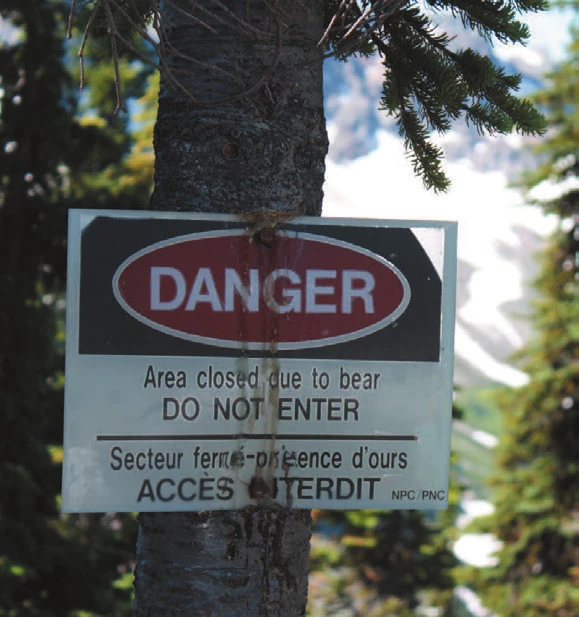
It is not uncommon to encounter a variety of wildlife in the course of delivering a top roping outing. Top rope leaders must understand that the group's interactions with wildlife can have a lasting impact on the wildlife's behavioural patterns. Leaders and participants need to minimize their interactions with wildlife of all sizes, by:
- Observing wildlife from a distance, and refraining from approaching;
- Never feeding wildlife and ensuring human food is not accessible to them;
- Leaving pets such as dogs at home;
- Avoiding known wildlife corridors during sensitive times such as mating, nesting, migration, raising young, or preparation for hibernation; and
- Adhering to trail and area closures both mandatory and voluntary.
Sightings and encounters with potentially dangerous wildlife must be treated seriously. All planned activities should be stopped and the group moved from the area to an alternate venue anytime a sighting or encounter of this nature occurs.
Interpretive Skills
The ability of the top rope leader to share area specific knowledge, history, and information with their group is a significant value-added benefit for participants. Canada has a rich history and many diverse ecological areas, a top rope leader should be knowledgeable in the area in which they will be delivering the outing so that they can provide basic interpretation to their participants throughout the outing. Common areas of interpretive interest include flora, fauna, history, and many other local items of interest.
Local Flora and Fauna
The ability of a top rope leader to identify and discuss prominent flora in the area can serve as an additional educational component of the outing as well as a means of ensuring participants avoid noxious plants such as poison ivy and poison oak, etc. Therefore, top rope leaders should be familiar with the region(s) in which they will be leading trips. Common interesting flora facts to share with participants could include:
- Flowers;
- Deciduous trees;
- Coniferous trees;
- Invasive species; and
- Noxious plants.
In areas with noxious plants, it is imperative that top rope leader identify the harmful species with their group and act diligently to ensure participants avoid coming into contact with the plants.
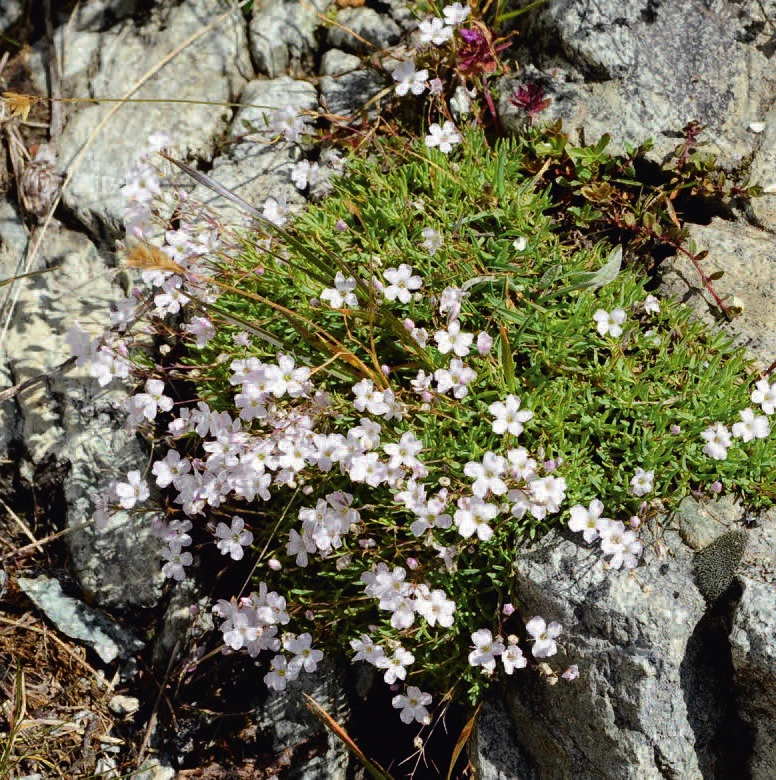
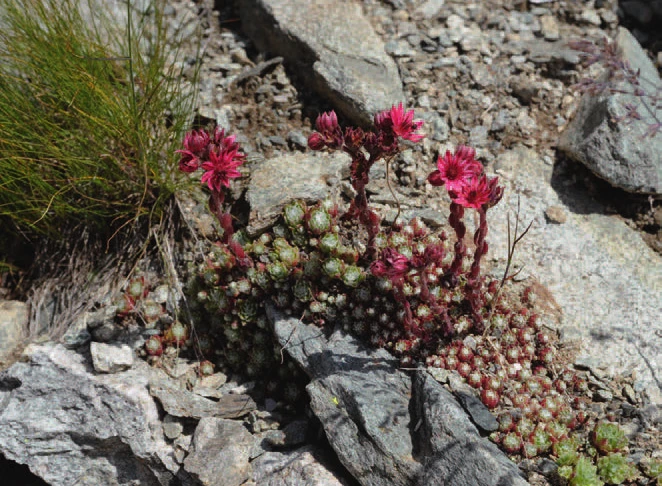
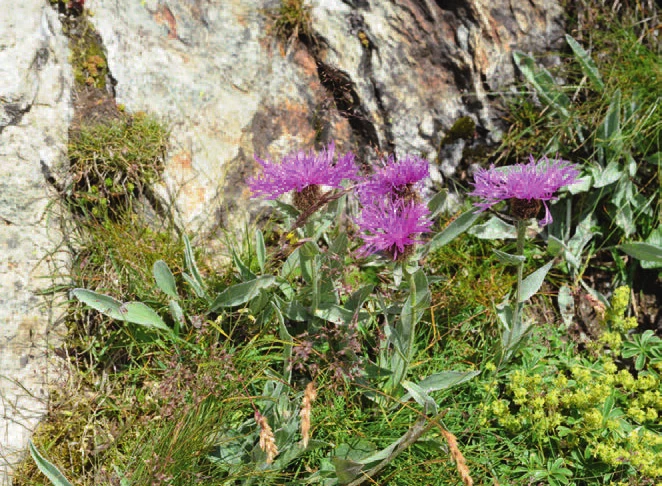
In addition to the flowers and trees, a top rope leader may choose to also be versed in identifying the local fauna and capable of educating participants specific to it. Commonly discussed fauna includes:
- Insects such as butterflies, moths, mosquitoes, blackflies and ticks;
- Birds;
- Squirrels, chipmunks and other small ground dwelling animals;
- Racoons, and marmots;
- Foxes, coyotes, and wolves;
- Cougars, bobcats, lynx;
- Ungulates such as deer, caribou, elk, and moose; and
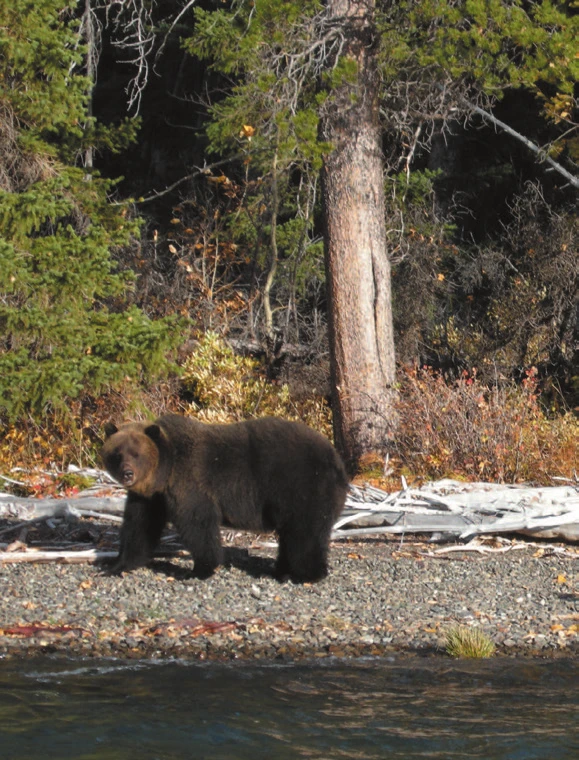
- Black bears and grizzly bears.
Choosing to educate participants on local fauna can be for informative reasons, as well as for safety reasons, in the event that potentially dangerous wildlife is encountered during the outing.
Local History and Items of Interest
In addition to providing interpretation of local flora and fauna, a top rope leader may also find it beneficial to be capable of providing insight into an area's history and notable items of interest. Commonly shared historical information may include:
- Route development pioneers in the area;
- Notable first ascents in the area;
- Formation of parks, protected, or conservation areas;
- Historical ethics specific to climbing in the area; and
- Popular routes in the area or "classic" routes in the area.
Local items of interest that are commonly shared may include:
- Geological formation of the area;
- Rock type;
- Activities other than climbing that occur in the area;
- First Nations history; and
- Migration of specific species through the region.